Shopping Cart (0)
Close



A rich vocabulary is one of the most important building blocks of a child’s education. The more words children understand and use, the easier it becomes for them to communicate, read confidently, express their ideas, and succeed academically.
From preschool through primary school, vocabulary development plays a critical role in literacy, comprehension, and language acquisition. Parents and educators across the UK are increasingly turning to digital learning resources to help children expand their vocabulary in a fun, engaging, and effective way.
Vocabulary learning involves teaching children the meaning, pronunciation, spelling, and correct usage of words. As children acquire new vocabulary, they become better readers, writers, listeners, and speakers.
A strong vocabulary helps children:
Children who know more words can understand texts more easily and enjoy reading with greater confidence.
A wider vocabulary allows children to write more descriptive, creative, and accurate sentences.
Vocabulary knowledge impacts learning across all subjects, including English, science, mathematics, and social studies.
Children with strong vocabularies can communicate ideas effectively and participate confidently in conversations.
Understanding and using new words helps children feel more capable and motivated to learn.
Young learners absorb vocabulary most effectively when words are presented through engaging and interactive activities.
Visual flashcards help children associate words with pictures, making learning easier and more memorable.
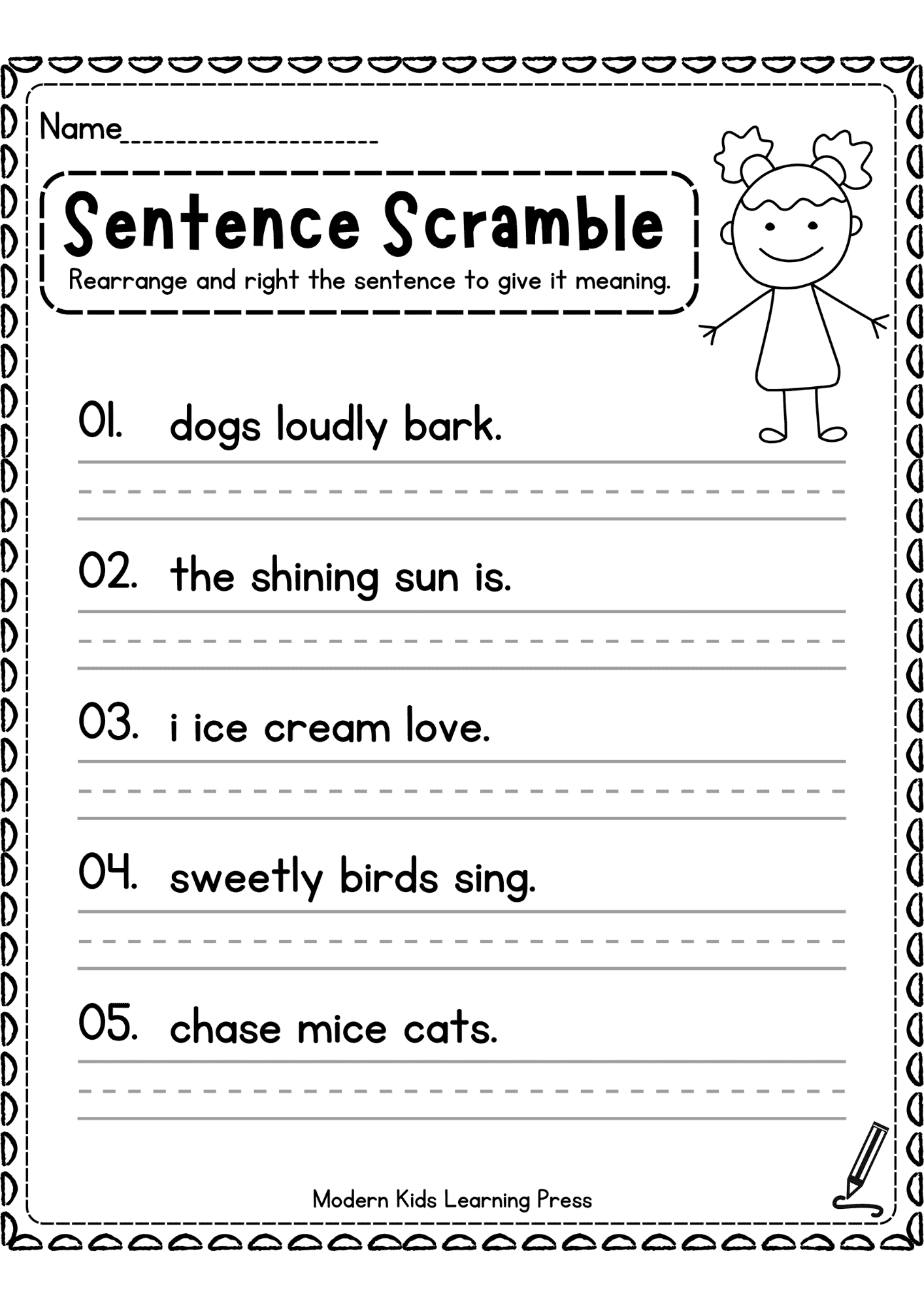
Vocabulary worksheets encourage children to read, write, trace, match, and practise new words.
Educational games make learning enjoyable while reinforcing word recognition and understanding.
Reading books and stories introduces children to vocabulary naturally within meaningful contexts.
Interactive digital resources provide repeated exposure to words while keeping children engaged.
Modern parents and educators value the flexibility and convenience of digital educational products.
Benefits include:
Digital vocabulary resources provide structured learning while allowing children to practise independently.
Our comprehensive digital vocabulary resource has been designed to help children build a strong language foundation through engaging and age-appropriate activities.
The bundle may feature:
Topics can include:
This digital vocabulary resource is ideal for:
Support your child’s language development Vocabulary for Children through enjoyable home-learning activities.
Enhance classroom lessons with ready-to-use educational materials.
Provide structured vocabulary instruction with minimal preparation.
Strengthen communication and literacy skills during crucial developmental stages.
Vocabulary development supports key educational objectives within the Early Years Foundation Stage (EYFS) and Key Stage 1 curriculum.
Children develop:
Regular vocabulary practice creates a strong Vocabulary for Children foundation for lifelong learning.
Educational printables remain one of the most effective learning tools because they:
Combining printable activities with digital convenience creates an ideal learning solution for modern families.
Vocabulary is the foundation of successful communication, reading, and writing. By introducing children to new words through engaging and interactive activities, parents and educators can help young learners develop the confidence and skills they need for future academic success.
Whether used at home, in schools, or in homeschooling environments, a high-quality digital vocabulary learning bundle provides an effective, affordable, and enjoyable way to support children’s language development. Investing in vocabulary education today helps children become stronger readers, better communicators, and more confident learners tomorrow.
