Shopping Cart (0)
Close



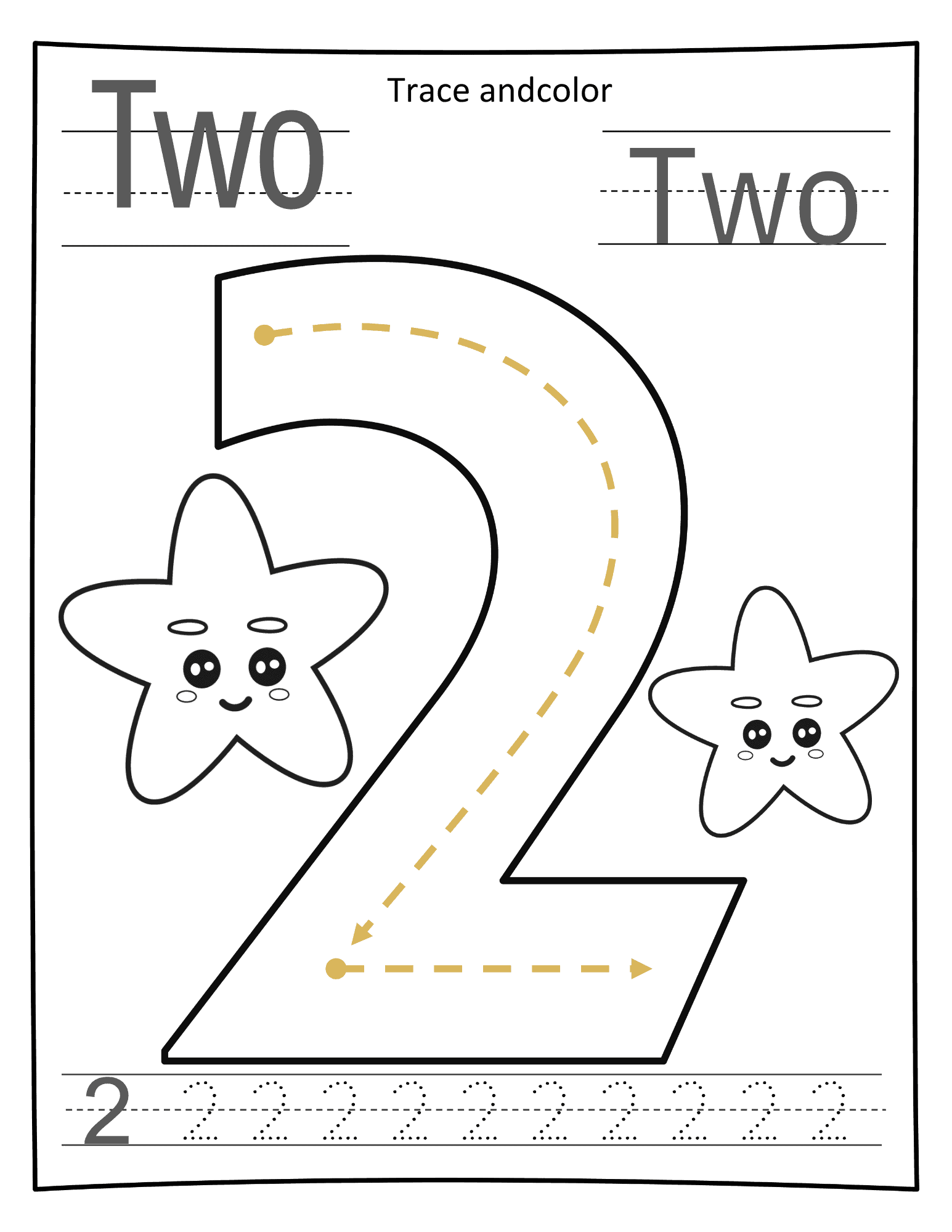

Early childhood education lays the foundation for a child’s future academic success. One of the most important skills preschoolers develop is number recognition and number formation. Preschool number tracing activities help children learn how to write numbers correctly while strengthening their understanding of basic mathematical concepts.
In the UK, parents, nurseries, and early years educators increasingly use printable number tracing worksheets and digital learning resources to support children’s development. These educational tools make learning numbers enjoyable, interactive, and effective.
Number tracing is a learning activity that guides children through the process of writing numbers by following dotted or outlined numerals. This method helps preschoolers understand the shape, direction, and formation of each number.
Number tracing activities are commonly introduced between the ages of 3 and 5, when children begin developing the fine motor skills needed for writing.
Tracing numbers strengthens hand muscles and improves pencil control. These skills are essential for future handwriting and classroom tasks.
Repeated exposure to numbers helps children quickly identify numerals from 0 to 10 and beyond.
Tracing provides structured guidance, allowing children to practise independently and gain confidence in their writing abilities.
Children begin connecting number symbols with quantities, helping them understand counting, sequencing, and basic maths concepts.
Completing tracing worksheets helps preschoolers develop focus, attention to detail, and persistence.
Number tracing goes beyond simply learning how to write numbers. It serves as a bridge to many important educational skills.
Children can trace a number and then count matching objects, reinforcing the relationship between numerals and quantities.
Preschool learners can connect traced numbers with pictures, dots, or groups of objects to improve number sense.
Parents can incorporate number recognition into daily activities such as:
These real-life applications make learning meaningful and memorable.
Digital educational products provide flexible learning opportunities for families and educators across the UK.
Benefits include:
Parents appreciate the convenience of having high-quality learning materials available whenever they need them.
The best number tracing resources include:
Children should be able to follow arrows and tracing paths easily.
Fun images and themed activities keep children motivated and interested.
Worksheets should gradually increase in complexity as children’s skills improve.
Activities such as colouring, counting, and matching help reinforce number concepts.
Resources should be specifically created for preschool and early years learners.
Number tracing activities align with many objectives within the Early Years Foundation Stage (EYFS) framework. They support children’s development in:
By integrating tracing activities into daily learning routines, educators can help children achieve key developmental milestones.
To maximise learning outcomes:
Positive reinforcement helps children develop a love for learning and boosts their confidence.
Preschool number tracing is an essential step in early childhood education. It helps children develop fine motor skills, number recognition, handwriting abilities, and mathematical understanding. Through engaging worksheets and digital learning resources, children can build strong foundations that prepare them for future success in school.
For UK parents, teachers, and homeschool families, high-quality number tracing printables offer a practical, affordable, and effective way to support early maths development while making learning fun and rewarding.
