Shopping Cart (0)
Close



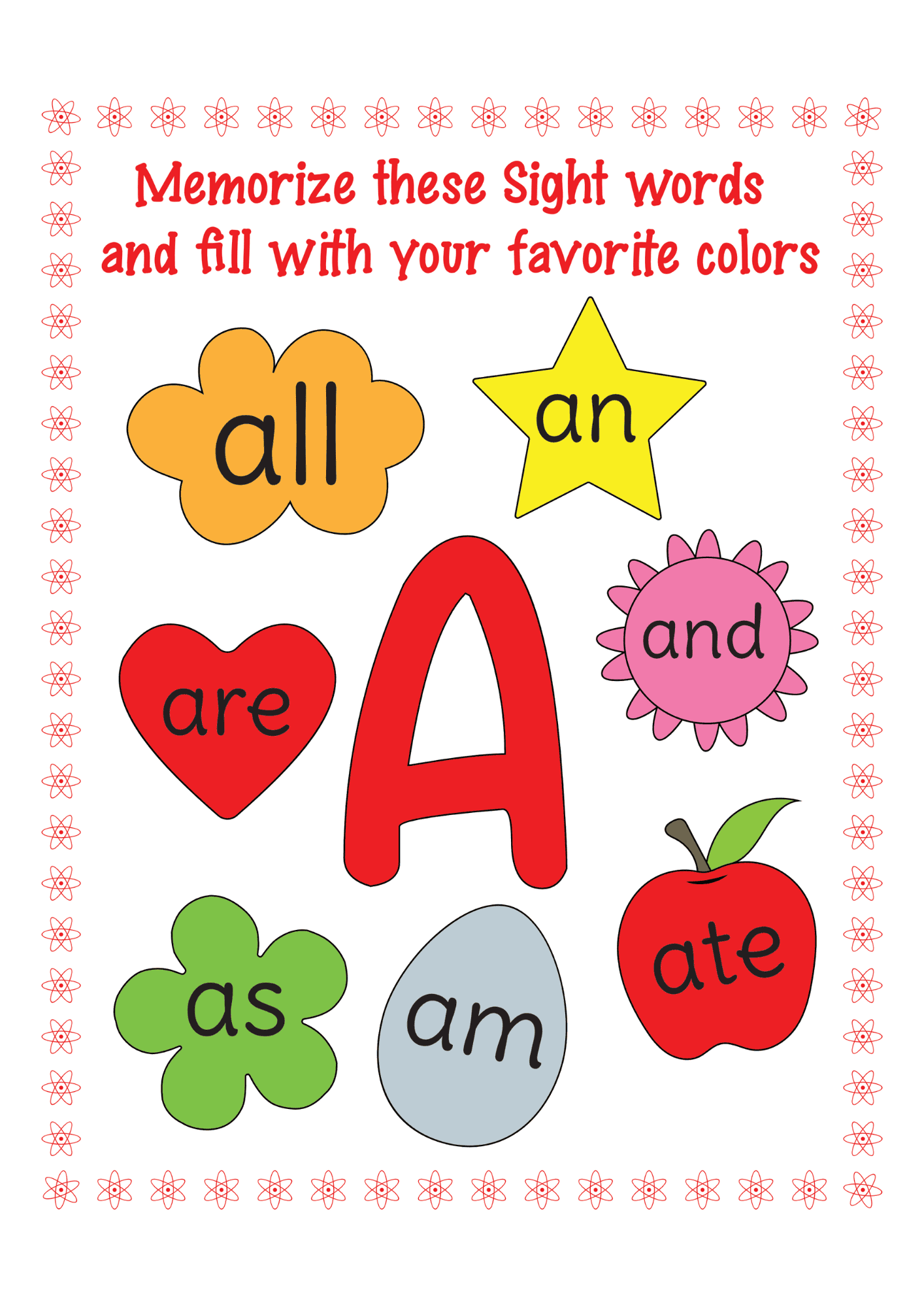
Sight words are commonly used words that children are encouraged to recognise instantly without needing to sound them out. These words appear frequently in books, stories, and everyday reading materials, making them essential for developing reading fluency.
Examples of common sight words include:
By learning sight words, children can read more smoothly and confidently, allowing them to focus on understanding the meaning of a text rather than decoding every word individually.
Sight words form a significant portion of the words children encounter in early reading materials. Research shows that mastering high-frequency words can dramatically improve reading speed and comprehension.
For young learners in the UK, sight word practice supports literacy development and helps build a strong foundation for future academic success.
When children instantly recognise common words, they can read sentences more naturally and with greater confidence.
Children spend less time decoding words and more time understanding what they are reading.
Regular exposure to sight words helps children use these words correctly in their own writing.
Recognising familiar words quickly encourages children to enjoy reading and participate actively in learning activities.
Sight word learning is most effective when children are exposed to words repeatedly through engaging and interactive activities.
Popular methods include:
Flashcards provide a simple and effective way to introduce new sight words and reinforce recognition.
Sight word worksheets allow children to read, trace, write, colour, and use words in sentences.
Educational games transform learning into a fun experience while helping children memorise high-frequency words.
Matching words to pictures or sentences strengthens recognition and understanding.
Interactive digital products provide flexible learning opportunities for families and educators both at home and in the classroom.
Sight words play a critical role in helping children transition from learning to read to reading for meaning.
As children expand their sight word vocabulary, they begin to:
These abilities contribute to overall literacy success throughout primary education.
Parents and teachers increasingly choose digital educational products because they offer convenience and flexibility.
Benefits include:
Digital resources make it easy to provide consistent sight word practice without the need for expensive materials.
Children trace and write words repeatedly to strengthen recognition and spelling.
Learners identify sight words and colour corresponding sections to create fun educational pictures.
This interactive game helps reinforce word recognition while keeping children engaged.
Children search for sight words in books, magazines, or printable activities.
Using sight words in simple sentences helps learners understand context and usage.
Sight word practice aligns with literacy objectives in the UK educational system, including the development of:
Regular sight word activities support children throughout the Early Years Foundation Stage (EYFS) and Key Stage 1 learning journey.
When selecting sight word materials, look for resources that include:
High-quality educational products provide children with the practice they need while keeping learning enjoyable.
Sight words are one of the most important building blocks of early reading success. By helping children recognise common words instantly, sight word practice improves reading fluency, comprehension, confidence, and overall literacy development.
Whether used in nurseries, primary schools, homeschooling environments, or at home, printable worksheets, flashcards, and digital sight word resources offer an effective and engaging way to support children’s learning. Investing in quality sight word activities today can help young readers develop the skills they need for lifelong academic success.
